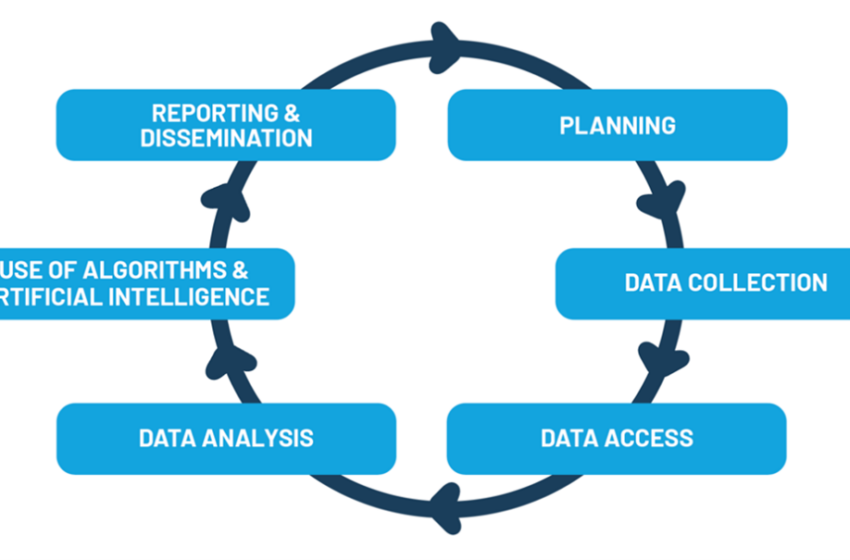
A recent paper published in the Harvard Data Science Review highlights the growing need to rethink how data is used in the social sector, arguing that technical skills alone are insufficient to ensure fair, ethical, and effective outcomes. Instead, the authors emphasize that achieving data equity requires a broader transformation in how organizations understand, teach, and practice data use.
The paper, titled “Learning Models and Modalities to Build Data Equity Competencies,” advances a key idea: everyone is a data person, regardless of job title, discipline, or technical background. This framing challenges traditional assumptions that data work is confined to analysts or specialists, instead positioning data responsibility as a shared function across entire organizations and communities.
At the center of the paper is the argument that equitable data systems depend on centering community voices, strengthening ethical decision-making, and fostering collaboration across sectors. Rather than treating data as a purely technical resource, the authors position it as a social and political tool that directly shapes outcomes for communities.

Data Is Not Neutral: Rethinking Assumptions in Practice
The authors stress a foundational principle: data is never neutral. It reflects the assumptions, values, and power structures of the systems that produce it.
As co-author Dan Ferris, Associate Professor of Practice at the WashU Brown School and affiliated faculty at the WashU Bursky School of Public Health, explains, data systems embed the perspectives and biases of their creators. This means that without intentional design and reflection, data can reproduce inequality even when used with good intentions.
Ferris emphasizes that if data is to serve the public good, institutions must recognize that meaningful expertise exists beyond technical roles. This includes lived experience, community knowledge, and frontline practice. Building equitable data systems therefore requires investment not only in tools and infrastructure, but also in people, organizational culture, and shared capacity.
Learning Models for Data Equity Competencies
The paper draws on two key initiatives as complementary case studies:
- Data for Social Impact (DSI) initiative at Washington University in St. Louis (WashU)
- Actionable Intelligence for Social Policy (AISP) at the University of Pennsylvania
Both programs demonstrate how non-technical, equity-focused learning models can shift how practitioners engage with data. Rather than focusing exclusively on statistical or computational skills, these initiatives use cohort-based learning, applied case studies, and practical toolkits to help participants understand how data systems affect real-world communities.
This approach helps practitioners move beyond data collection and analysis toward a deeper understanding of how decisions about data design, interpretation, and use influence equity outcomes.
From Technical Skill to Ethical Practice
A key contribution of the paper is its emphasis on data equity competencies—skills that go beyond technical proficiency to include:
- Ethical reflection on how data affects communities
- Awareness of structural inequities embedded in datasets
- Ability to collaborate with communities in data design and use
- Commitment to transparency and accountability in decision-making
The authors argue that these competencies must be embedded across the social sector, not isolated within specialized teams. Without this shift, even well-intentioned data practices risk reinforcing existing disparities.
Scaling Data Equity Across the Social Sector
The paper concludes that building data equity at scale requires systemic investment in people and institutions. This includes:
- Expanding training programs that integrate equity into data practice
- Embedding community participation in data decision-making processes
- Supporting cross-sector collaboration between researchers, policymakers, and communities
- Developing organizational cultures that prioritize ethical and inclusive data use
Rather than treating data equity as an add-on or specialized initiative, the authors frame it as a foundational requirement for effective social-sector work.
Conclusion: Toward a More Inclusive Data Future
This research reinforces a growing consensus across the field: improving data systems is not only a technical challenge, but also a cultural and ethical one. When organizations recognize that everyone has a role in shaping data—and that communities hold essential forms of expertise—data can become a tool for justice rather than exclusion.
By investing in equity-focused learning models and collaborative approaches, the social sector has an opportunity to transform how data is understood and used, ultimately creating systems that better reflect and serve the communities they are meant to support.